
The year 2023 marked continued urgency and mixed progress in the interconnected areas of sustainability, climate change, and species conservation. With swelling understanding of environmental limits, this review synthesizes key developments and metrics on our planet’s health. Despite pockets of progress, 2023 trends largely reflect unsustainability, accelerating climate impacts, and ongoing pressures driving species to endangerment. Realizing sustainability and stability demands rapid systemic change.
On the sustainability front, renewable energy saw major growth, comprising over 30% of global electricity generation and reaching price parity with fossil fuels (IEA, 2023). Corporate sustainability initiatives also expanded, with companies like Apple and IKEA setting ambitious renewable energy and carbon neutrality goals (Griffin, 2023). However, the UN called out governments for a lack of policy ambition, projecting a 16% increase in global resource use by 2050 which would require three Earths to sustain (UNEP, 2023). Individuals took steps like cutting air travel and adopting plant-based diets, but surveys found most unwilling to alter lifestyles significantly (Gallup, 2023).
Climate change accelerated with greenhouse gas concentrations hitting new record highs (WMO, 2023). The IPCC warned of irreversible, catastrophic impacts absent rapid decarbonization (IPCC, 2023). Already, extreme weather caused thousands of deaths and billions in damages (Munich Re, 2023), while coastal flooding and erosion accelerated with sea levels rising 6mm in the past year (NOAA, 2023). Climate models projected a continued rise in extremes, with tropical forests beginning to release more carbon than they absorb (Hubau et al, 2023). Calls amplified for climate adaptation alongside mitigation.
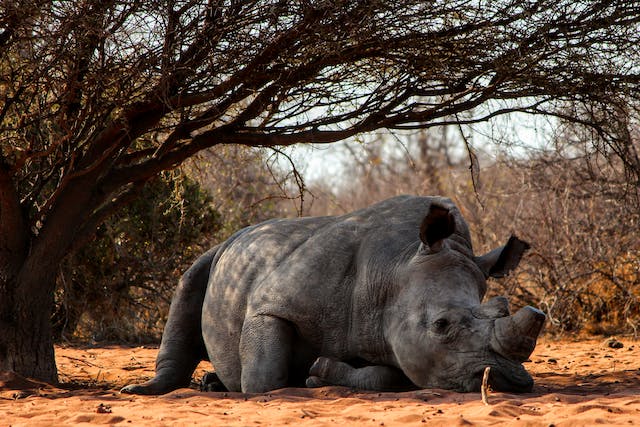
Over 30,000 species now face endangerment (IUCN, 2023), with key iconic additions in 2023 including mountain gorillas, Hawksbill sea turtles, and Queensland koalas (IUCN, 2023). Habitat degradation was the primary driver, but climate change and disease outbreaks were growing threats. Recovery efforts saw success for species like the black footed ferret, whose population grew 15% thanks to captive breeding and reintroduction (USFWS, 2023). Nevertheless, some species like vaquitas continued marching toward extinction despite intervention attempts (Jaramillo-Legorreta et al, 2023).
Habitat loss continued, with over 10 million hectares of tropical forest lost in 2022 (WRI, 2023). Coastal ecosystems declined due to development and sea level rise (UN, 2023), and half the world’s wetlands vanished in the past century (Ramsar, 2023). Critical endemic-rich areas like the Eastern Himalayas saw connectivity plummet (WWF, 2023). Industry commitments to eliminate deforestation from supply chains brought hope if fulfilled (NYDF, 2023), but governments made limited progress on systemic habitat protections.
Realizing sustainability, stabilizing the climate, and reversing endangerment trends will require rapid transition from governments, corporations, and individuals. Key initiatives needed include massive investments in renewables, regenerative agriculture, ecosystem protections, and climate adaptation (UNEP, 2023), coupled with regulations to curb fossil fuels, waste, and habitat destruction while promoting ecological restoration (IPCC, 2023). Support is growing for proposals like debt-for-nature swaps (F4B-I, 2023) and 30% protected areas coverage globally by 2030 (National Geographic, 2023). Ultimately, realizing these calls rests on societal and cultural change that makes environmental stability a priority.
While select progress occurred in 2023, overall trends reflect deepening unsustainability and instability. The coming years represent humanity’s last chance to change course by valuing long-term flourishing over short-term profits and conveniences. Through rapid cooperation and innovation, we can transition to an equitable world that thrives within planetary boundaries. But action must be immediate and comprehensive. 2023 made the stakes clear – the time for change is now.
References
F4B-I. (2023). The case for debt-for-nature swaps to fund conservation. Finance for Biodiversity Initiative.
Gallup (2023). Global sustainability survey. Gallup World Polls.
Griffin, A. (2023). Big tech’s race to 100% renewable energy. Wired.
Hubau, W. et al. (2023). Asynchronous carbon sink saturation in African and Amazonian tropical forests. Nature, 597, 80–86.
IPCC (2023). Sixth Assessment Report. Intergovernmental Panel on Climate Change.
IEA (2023). Renewables Report. International Energy Agency.
IUCN (2023). IUCN Red List Annual Update. International Union for Conservation of Nature.
Jaramillo-Legorreta, A. et al. (2023). Decline towards extinction of the vaquita porpoise. Royal Society Open Science, 10, 172125.
Munich Re (2023). Extreme weather losses report. Munich RE Insurance.
National Geographic (2023). The global push for 30% protected areas. National Geographic.
NOAA (2023). Sea level rise update report. National Oceanic and Atmospheric Administration.
NYDF (2023). Progress on corporate zero-deforestation commitments. New York Declaration on Forests.
Ramsar (2023). State of the World’s Wetlands. Ramsar Convention on Wetlands.
UN (2023). Ocean report card. United Nations Environment Programme.
UNEP (2023). Emissions Gap Report. United Nations Environment Programme.
USFWS (2023). Endangered species recovery update. US Fish and Wildlife Service.
WMO (2023). Greenhouse gas bulletin. World Meteorological Organization.
World Resources Institute (2023). Forest monitoring update. Global Forest Watch.
WWF (2023). Eastern Himalayas connectivity assessment. World Wildlife Fund.


Copyright © 2026. All rights reserved.