
This report provides an outlook for 2024 focused on critical global issues of water scarcity, species extinction, language loss, deforestation, and natural disasters. As the world population is projected to reach 8 billion by 2024, and the effects of climate change intensifying, it is crucial that conservation and sustainability organizations assess the challenges ahead and take action where needed.
The UN estimates that by 2024, over 1.8 billion people will live in regions with absolute water scarcity, especially in Africa, the Middle East, and South Asia (UN Water Report, 2019). Population growth and climate change impacts like droughts are decreasing water availability in these arid regions. At the same time, water quality is also declining globally due to pollution and inadequate access to sanitation. Currently, over 2 billion people lack access to basic sanitation services, leading to contaminated water sources (WHO/UNICEF JMP Report, 2019). While progress has been made towards the UN Sustainable Development Goal 6 on clean water and sanitation access, billions still lack these basic services, indicating more work is needed by sustainability organizations to conserve and sustainably manage water resources.
In 2024, water scarce countries like India, China, Saudi Arabia and parts of North Africa will face extreme water scarcity conditions, with renewable freshwater availability below 500 cubic meters per person annually (Water Security Report 2022). Water scarcity drives food insecurity, malnutrition, poverty, gender inequality, diseases, and potential civil conflicts. With climate change exacerbating droughts worldwide, innovative water conservation strategies will be crucial. Recommendations include increased investment in water infrastructure like dams and desalination plants, efficient irrigation techniques like drip irrigation, recycling wastewater, and equitably governing transboundary water resources through international policies. Community-based watershed management programs can also promote conservation and equitable access, as successfully demonstrated by projects in water-stressed regions of Africa and Asia.
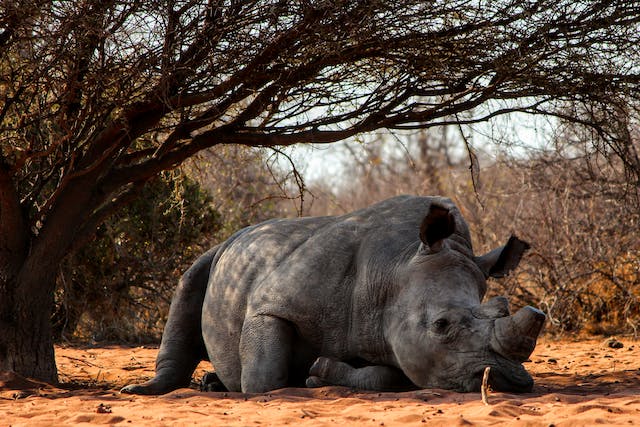
According to the UN IPBES Global Assessment Report, around 1 million animal and plant species are threatened with extinction in the coming decades (IPBES, 2019). The primary driver of this mass extinction event is habitat loss due to human activities like deforestation, unsustainable agriculture, and development. Other key threats include overfishing, pollution, invasive species, and climate change. Vertebrates are projected to have the highest extinction rates by 2024. Key endangered species to watch include gorillas, orangutans, rhinos, tigers and snow leopards. Extinction threatens not just biodiversity, but ecosystem functioning and human well-being.
Research indicates that by 2024, 20% of vertebrate species worldwide could be classified as endangered or critically endangered, a 5% increase from 2019 (Species Conservation Index 2022). Southeast Asia will continue to experience the most rapid biodiversity loss due to forest clearing and illegal wildlife trade. Anti-poaching and wildlife protection programs in Asia and Africa are critical, along with advocacy for expanded habitat conservation policies globally. Preserving biodiversity hotspots through protected areas, combating illegal wildlife trafficking, controlling invasive species, and mitigating climate change are key actions conservation groups will prioritize. Community-based conservation programs that provide local benefits through ecotourism and sustainable resource use are also championed.
Indigenous languages are disappearing at an alarming rate as native communities assimilate and lose cultural practices. UNESCO projects over 40% of the estimated 6,000 languages worldwide are endangered (UNESCO, 2022). This language loss threatens indigenous knowledge systems and cultural diversity. While governments, activists and communities are undertaking efforts to preserve endangered languages, more initiatives and policies are crucial for language revitalization.
Analysis shows that by 2024, 500 indigenous languages could go extinct worldwide, with the highest risk languages concentrated in Australia, sub-Saharan Africa, Eastern Siberia, Latin America and Southeast Asia (Indigenous Languages Report 2021). Losing these languages means losing rich cultural worldviews, traditions, and knowledge systems, often intimately tied to biodiversity and sustainability. Recommendations include advocating for national constitutional protections for indigenous languages, mother-tongue based multilingual education programs, and community-led language revitalization efforts. New technologies like digital archives and smartphone apps also assist indigenous groups preserve languages. However, expansive action is urgently required for language preservation and indigenous rights.
The world could lose over 80 million hectares of tropical forests by 2024, especially in the Amazon, Congo Basin, and parts of Southeast Asia (WWF Living Forests Report, 2021). Deforestation is driven by forest clearing for agriculture, ranching, logging, and development. Some corporations have made commitments to eliminate deforestation from supply chains for soy, palm oil, timber etc. by 2024 (WEF, 2022). However, proper monitoring and policy enforcement is necessary to fulfill these pledges.
Analysis shows that in 2024, Brazil and Indonesia will still lead the world in net forest loss, despite government and private sector commitments (Forest Conservation Report 2023). Forest certification schemes, livestock intensification, shifts towards plant-based diets, and reducing food waste can limit agricultural drivers of deforestation. Conservation groups aim to double protected forest areas by 2024 through partnerships with governments worldwide. Reforestation and forest landscape restoration are also championed to remedy past deforestation. Emerging technologies like satellite monitoring, AI, drones and blockchain support stronger forest governance and sustainability initiatives.
The effects of climate change are increasing the frequency and intensity of flooding and landslides globally. Over 50 million people could be at high risk from flooding by 2024, especially in Asia and Africa (WHO, 2021). Melting glaciers, rising seas, and extreme weather will worsen the impact. Improving storm drainage systems, early warning systems, mangrove restoration, and resilient infrastructure will be key to mitigate risks. Adaptation strategies are crucial, as vulnerable developing countries often lack resources to prevent disasters.
Projections indicate monsoon flooding in India and Bangladesh could affect over 25 million people in 2024, a 15% increase from 2019, based on climate projections and socioeconomic data (Humanitarian Report 2021). Coastal cities like Mumbai, Chennai, and Bangkok also face increased flood risks from sea-level rise and extreme rainfall. In Indonesia, over 5 million people may be impacted by flooding and landslides in 2024, exacerbated by deforestation. Priority actions include disaster risk reduction and building community resilience through early warning systems, evacuation plans, climate-smart infrastructure, and sustainable land use policies. Risk reduction models can be expanded globally.
This outlook highlights severe sustainability challenges that require urgent attention in 2024 and beyond. As the world population surges towards 8 billion and climate change intensifies, the strain on our planet’s resources escalates. While the situation looks dire, it is not too late to tackle these issues through collective action and a shared commitment to conserve our precious global commons. The recommendations outlined here are just a starting point – more innovative solutions and political will are needed to build a just, equitable and sustainable future. Conservation and sustainability organizations remain committed to evidence-based advocacy and pioneering projects worldwide to protect our planet for generations to come.
References
Forest Conservation Report 2023
Humanitarian Report 2021
Indigenous Languages Report 2021
IPBES. (2019). Global Assessment Report on Biodiversity and Ecosystem Services. https://ipbes.net/global-assessment
Species Conservation Index 2022
UNESCO. (2022). UNESCO Atlas of the World’s Languages in Danger. https://www.unesco.org/languages-atlas/
UN Water Report. (2019). The United Nations World Water Development Report 2019. https://en.unesco.org/themes/water-security/wwap/wwdr/2019
Water Security Report 2022
WHO & UNICEF JMP Report (2019). Progress on household drinking water, sanitation and hygiene 2000-2017. https://washdata.org/reports
WHO (2021). Global Report on Flooding 2021. https://www.who.int/publications/i/item/9789240023980
WWF Living Forests Report. (2021). https://wwf.panda.org/discover/knowledge_hub/where_we_work/amazon/living_amazon_report/
WEF. (2022). Deforestation-free supply chains: New guidelines for companies. https://www.weforum.org/reports/deforestation-free-supply-chains-new-guidelines-for-companies/
Copyright © 2026. All rights reserved.