
As we step into 2025, reflecting on 2024’s progress and challenges in sustainability is crucial for shaping future efforts. This report evaluates the global response to critical issues raised in the CARES Global Sustainability Outlook 2024 and forecasts trends for 2025. The key areas of focus include water scarcity, species extinction, language loss, deforestation, and natural disasters. The recommendations herein are directed at policymakers, international organizations, non-governmental organizations (NGOs), private sector leaders, and community advocates.
2024 Review: Water scarcity continued to plague desiccated regions such as Africa, the Middle East, and South Asia. About 2.2 billion people experienced severe water stress, exacerbated by climate change-induced droughts and inefficient water management systems. The United Nations’ World Water Development Report highlighted critical challenges in ensuring sustainable access to clean water. In sub-Saharan Africa, projects such as the expansion of solar-powered water pumps provided relief to rural communities, yet disparities in access persisted. In urban areas, countries like India implemented micro-irrigation systems, but limited scalability hindered broader impacts.
2025 Outlook: The upcoming year is expected to witness further strain on freshwater resources. Increasing urbanization and industrialization, coupled with erratic weather patterns, demand accelerated investment in water recycling, rainwater harvesting, and innovative technologies like atmospheric water generators. Policymakers must prioritize transboundary cooperation through agreements like the Nile Basin Initiative to mitigate potential conflicts. NGOs can champion community-led water conservation projects, particularly in vulnerable areas.
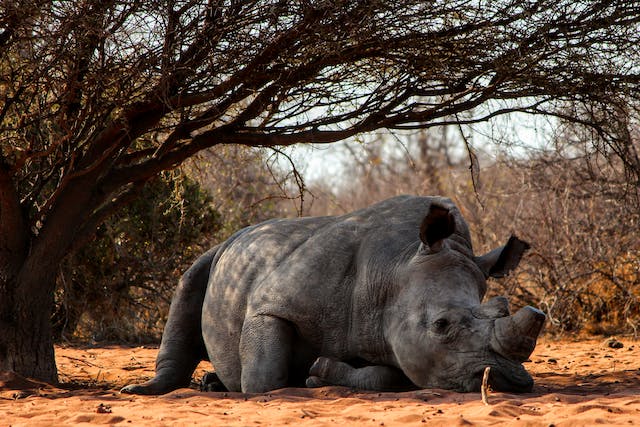
2024 Review: Biodiversity loss persisted at alarming rates, with over 166,061 species facing extinction, as noted by the IUCN. High-profile species such as the Sumatran tiger, the vaquita, and the Javan rhino saw dwindling populations due to habitat destruction and poaching. In Southeast Asia, deforestation for palm oil plantations decimated critical ecosystems. However, localized conservation efforts in countries like Rwanda, where mountain gorilla populations saw slight recovery due to eco-tourism incentives, provided hope. The European Union’s Natura 2000 program also expanded protected areas, benefiting species like the Iberian lynx.
2025 Outlook: With biodiversity a focal point at global forums like COP16, increased funding for conservation efforts is expected. AI-powered monitoring systems and satellite imagery will enhance real-time tracking of wildlife movements and illegal activities. Partnerships with indigenous communities, such as the Amazon’s Yawanawa people, will be essential for protecting biodiversity hotspots. Businesses must commit to deforestation-free supply chains, while governments can strengthen anti-poaching laws and enforce penalties against illegal wildlife trade.
2024 Review: Language loss remained a significant cultural issue in 2024. UNESCO’s Decade of Indigenous Languages inspired numerous initiatives, yet over 40% of the world’s languages remained endangered. Specific examples include the near extinction of the Ainu language in Japan, with only a handful of fluent speakers remaining, With fewer than five fluent speakers, efforts to preserve it, such as digital documentation and oral history recordings, gained momentum but faced funding challenges. Similarly, Australia’s Warlpiri and Tiwi languages saw some revitalization through government-supported education programs and smartphone applications.
2025 Outlook: In 2025, notable technology companies are expected to collaborate with cultural organizations to preserve endangered languages through immersive tools, such as AI-driven language learning platforms and virtual reality archives. Policymakers must introduce robust multilingual education policies, while NGOs and activists can push for constitutional protections for indigenous languages. Community engagement, particularly in regions like sub-Saharan Africa and Latin America, will be crucial to ensuring the survival of cultural heritage tied to language.
2024 Review: Global deforestation rates remained high, with Brazil and Indonesia experiencing significant forest loss despite pledges to halt deforestation. Satellite monitoring revealed an alarming 19% increase in illegal logging in the Amazon basin between mid-2022 and mid-2023. Initiatives like the Trillion Trees Campaign showed promise, with over 100 million trees planted globally in 2024. However, these efforts were insufficient to offset losses. The Congo Basin also faced challenges, with slash-and-burn agriculture continuing to threaten this vital carbon sink.
2025 Outlook: Stricter corporate accountability standards are anticipated in 2025, with companies facing penalties for unsustainable practices. Innovations in agroforestry, such as integrating cocoa and coffee production into forest ecosystems, will help reduce deforestation drivers. Policymakers should enforce stricter regulations on illegal logging while incentivizing reforestation through tax benefits. International organizations like the World Resources Institute (WRI) can provide data-driven insights to support these efforts.
2024 Review: Natural disasters, particularly floods and landslides, devastated vulnerable regions in 2024. South Asia bore the brunt, with monsoon flooding in India and Bangladesh affected several million people. In Indonesia, deforestation exacerbated landslide risks, leading to significant casualties in rural communities. Early warning systems, such as those implemented in the Philippines, demonstrated the potential to save lives but were unevenly adopted across regions.
2025 Outlook: Adaptation and resilience will dominate disaster risk management strategies in 2025. Coastal cities like Mumbai and Jakarta are expected to invest in nature-based solutions, such as mangrove restoration, to combat flooding. International funding mechanisms, including the Green Climate Fund, will need to expand to address resource gaps. NGOs can facilitate community-based disaster preparedness programs, ensuring that at-risk populations have access to evacuation plans and emergency resources.
Reflecting on 2024’s achievements and setbacks reinforces the need for collective global action to address sustainability challenges. In managing water scarcity, policymakers are encouraged to develop comprehensive governance frameworks, while NGOs advocate for community-led conservation projects. Simultaneously, the private sector must invest in innovative water-saving technologies to combat looming shortages.
Efforts to combat biodiversity loss should see governments expand protected areas and strengthen anti-poaching laws. Conservation organizations are urged to leverage technology for real-time monitoring and protection of ecosystems, while businesses align their operations with sustainable supply chain practices.
Preservation of endangered languages requires robust action through the introduction of multilingual education policies by governments. NGOs must document languages using digital tools, while technology companies focus on creating AI-driven learning platforms. Such efforts are pivotal in safeguarding cultural heritage.
Forest protection calls for stricter deforestation regulations enforced by governments. At the same time, NGOs should promote sustainable agricultural practices and reforestation, while corporations transition to deforestation-free supply chains.
Finally, addressing the risks of natural disasters involves local authorities investing in resilient infrastructure and implementing effective early warning systems. NGOs can facilitate disaster preparedness programs, and international organizations must expand funding for climate adaptation projects to bridge resource gaps in vulnerable regions.
As an organization, CARES also played its part in sensitization efforts. In collaboration with Catholic Young Adult Association of St. John’s Catholic Church, we organized an event themed Planet vs Plastics to commemorate the International Day of Creativity and Innovation and World Earth Day 2024 on the 21st of April in Lagos, Nigeria. This event brought together stakeholders to discuss sustainable solutions for reducing plastic waste and its environmental impacts. Moving forward, we plan to expand similar initiatives globally in 2025 and beyond, sustaining awareness and action towards sustainability across diverse communities in line with our vision to promote an accommodation and sustainability of a world made imperfect by threats to the foundations of its collective cultural, climatic and civil constitutions..
The year 2025 offers opportunities to build on lessons from 2024. Success will depend on advancing partnerships across nations, industries, and communities to create a sustainable future for all.


Copyright © 2026. All rights reserved.